What can I do to minimize GLP-1 side effects?
Side effects on GLP-1 medications — whether you're on tirzepatide (Mounjaro, Zepbound), semaglutide (Ozempic, Wegovy), or Foundayo (orforglipron) — are common, especially early on during titration. But "common" doesn't mean you just have to white-knuckle it through them. Most side effects improve significantly as your body adjusts, and the biggest thing you need to know is that most of these have simple, practical fixes. Don't suffer in silence.
General Tips (These Apply to Almost Everything)
Before we get into the specific side effects, a few things that help across the board:
- Titrate slowly. There is absolutely no shame in staying at a lower dose longer than the "standard" schedule. If your provider gives you flexibility, use it. Rushing to higher doses is one of the most common reasons people have rough experiences. (Not sure when to move up? See our guide on when to increase your dose, or check the tirzepatide dosing chart for standard vs. slow titration schedules.)
- Eat smaller, more frequent meals. Big meals are harder on your system when you're on these meds. Smaller portions, more often, is your friend.
- Water is your best friend. Seriously. You need more of it than you think. I use a 40oz Hydro Flask and try to get through 2-3 of those a day. It helps with almost every side effect on this list.
Nausea
Nausea is the most common side effect, especially during early titration and after each dose increase. The good news is it usually settles down within a few days to a week at each dose level — your body is adjusting.
A few things that help:
- Avoid rich, fatty, greasy, or spicy foods for the first few days after a dose increase. Bland is your friend. Toast, crackers, simple stuff. You can go back to eating normally once your stomach settles.
- Ginger is genuinely useful. Ginger tea, ginger chews, ginger candy — it's not just an old wives' tale, it actually helps with nausea. I keep Tummydrops on hand at all times.
- Eat something small before or shortly after your injection. An empty stomach often makes nausea worse.
- Try taking your injection before bed. A lot of people find they sleep through the worst of it and wake up feeling fine. Worth experimenting with if nausea is a consistent problem.


Constipation
These medications slow down gastric emptying — that's actually part of how they work. But the downstream effect is that things can get pretty sluggish. This is extremely common and worth getting ahead of proactively rather than waiting until it's a problem.
- Fiber matters. Make sure you're eating enough fruits, vegetables, and whole grains. A lot of people eating less overall also end up eating less fiber, which compounds the issue.
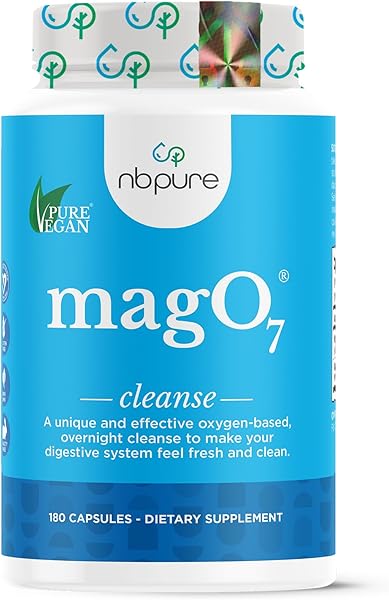
- Magnesium supplements are popular in the GLP-1 community. MagO7 is one you'll see mentioned a lot — it's magnesium oxide with a gentle laxative effect. It works, but a couple of caveats: don't use it long-term without checking with your doctor, and it's not safe for people with kidney disease. Magnesium citrate or glycinate may be better tolerated for some people. Ask your provider what makes sense for you.
- Miralax is a reliable fallback. It's gentle, over-the-counter, and it works. Keep some in the cabinet.
- And again — water. Dehydration makes constipation significantly worse.
Fatigue and Tiredness
This one catches people off guard. Fatigue can hit pretty hard, especially in the day or two after a dose increase. A few things to keep in mind:
- It's often a nutrition issue. If you're eating much less than usual, your body may simply not have enough fuel. Make sure you're getting enough calories overall.
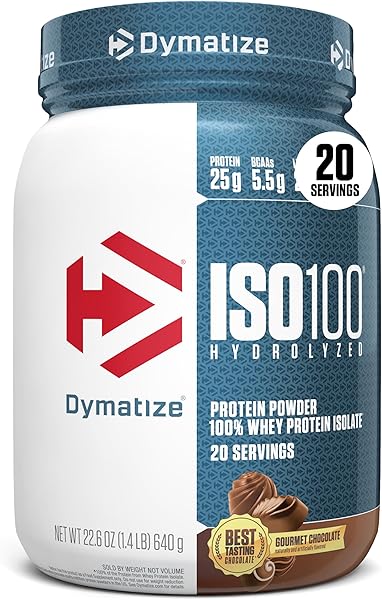
- Protein matters a lot. Not getting enough protein is one of the most common culprits behind persistent fatigue on these meds. If you're struggling to hit your protein goals through food alone, supplementing with a protein shake is a practical option.
- Electrolytes help here too. Fatigue is one of the first signs of electrolyte depletion. Consider an electrolyte drink or supplement, especially if you're also dealing with GI side effects.
- Experiment with injection timing. Some people find that injecting on a Friday means they're draggy on the weekend, while others prefer that over being tired at work. Try different days and times to find what fits your life.
- If fatigue is severe and persistent, talk to your provider. It could be a sign that you're titrating faster than your body is comfortable with. Slowing down is always an option.

Diarrhea
Less common than nausea or constipation for the injectables, but it happens — particularly around dose changes. If you're on Foundayo (orforglipron), diarrhea and indigestion are actually more prominent than nausea, so this section may be especially relevant for you. Either way, it's usually transient and resolves on its own.
- Stick to bland, easy-to-digest foods when things are rough. You may have heard of the BRAT diet (bananas, rice, applesauce, toast) — those are fine starting points, but don't limit yourself to just those four. Brothy soups, plain crackers, boiled potatoes, plain chicken, and scrambled eggs are all gentle on the stomach and give you more nutrition. Get back to a balanced diet as soon as you can.
- Stay hydrated — when you have diarrhea, you're losing fluids and electrolytes fast. This is when an electrolyte drink really matters.
- If it's persistent rather than occasional, check in with your provider.
Headaches
Headaches on GLP-1 meds are usually a hydration issue. Your first move when you feel one coming on should be drinking a big glass of water.
They can also be related to blood sugar changes, especially early on in your treatment. This typically resolves on its own within the first week or two as your body adapts.
Injection Site Reactions
Some redness, mild itching, or a small bump at the injection site is normal and not a cause for concern. A few things that help:
- Rotate your injection sites. Don't keep using the same spot. Your abdomen, thighs, and upper arms are all fair game — cycle through them. If you're new to self-injection, our getting started guide has a helpful tutorial video.
- Let the medication come to room temperature before injecting. Cold medication stings more going in and is more likely to cause local irritation. Give your vial 15–30 minutes on the counter. (For more on proper storage and temperature, see our medication storage guide.)
- If you develop persistent lumps, significant swelling, or anything that doesn't resolve in a day or two, mention it to your provider.
Acid Reflux and Sulfur Burps
This one doesn't get talked about enough. A lot of people on GLP-1s experience acid reflux, heartburn, or the notorious "sulfur burps" — burps that taste and smell like rotten eggs. It's unpleasant but it's common and usually manageable.
- Avoid eating close to bedtime. Give yourself at least 2-3 hours between your last meal and lying down.
- Elevate the head of your bed if reflux is waking you up at night.
- OTC antacids (Tums, Pepcid, Prilosec) can help. If you're using them regularly, mention it to your provider.
- The sulfur burps specifically tend to improve as your body adjusts to each dose level. They're gross but temporary.
Hair Loss
Some people notice increased hair shedding a few months into treatment. This is called telogen effluvium — it's triggered by rapid weight loss (not the medication itself), and it's usually temporary. Your hair growth cycle catches up eventually.
- Getting enough protein is the most important thing you can do here. Inadequate protein during weight loss makes hair shedding worse.
- Slowing down your rate of weight loss can help — another reason not to rush titration. Some people also find that split dosing helps manage side effects while maintaining efficacy.
- Collagen supplements (particularly marine collagen) have some emerging evidence for supporting hair during telogen effluvium, though the research is still early. Some people swear by them — worth trying, but don't expect miracles.
- If it's significant or persistent, talk to your provider. Checking iron, thyroid, and vitamin D levels is a reasonable step.
When to Call Your Doctor
Most side effects are manageable at home with the tips above. But some things are "call now" situations, not "mention it at my next appointment":
- Severe or persistent vomiting that prevents you from keeping food or water down
- Signs of dehydration (extreme thirst, dark urine, dizziness)
- Severe abdominal pain — especially if it's intense, persistent, and radiating to your back, accompanied by nausea, vomiting, or fever. This can be a sign of pancreatitis. Don't wait on this one — go to the ER.
- Any side effect that feels genuinely unmanageable and is affecting your quality of life
One more thing: if nausea or vomiting is consistently rough despite the tips above, ask your provider about ondansetron (Zofran) — it's an anti-nausea prescription that many GLP-1 prescribers will write alongside the medication, especially during titration. There's no reason to suffer when there's a straightforward prescription option.
Don't tough it out if something feels really wrong. Your provider can adjust your dose, change your titration speed, or help troubleshoot. That's what they're there for.
The Big Picture
The first few weeks and the days after dose increases are when side effects are typically at their worst. For most people, things settle down a lot once you've been at a given dose for a while. If you want to compare notes and get real-world tips from people who've been through it, the GLP-1 communities on Reddit are full of people who've dealt with exactly what you're dealing with.
You've got this.
Full Disclosure -- Some of these product links use affiliate links which give me a small commission for any purchases you make. (Your cost isn't affected.)